Introduction
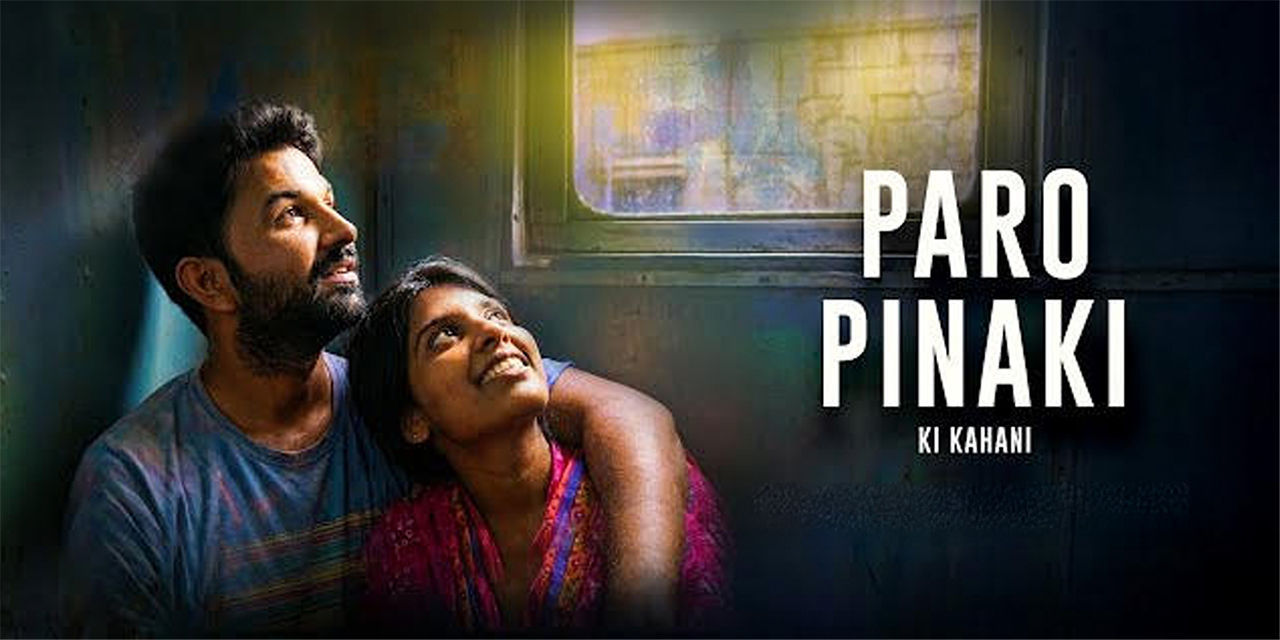
Paro Pinaki Ki Kahani isn't your average love story. It's set in the grimy corners of a city, and that alone got my attention.
This 2026 drama runs just 92 minutes. It feels like a short story you'd dig out of a literary magazine. It's a romance , scratch that, it's also a thriller of sorts. The film tries to show that love can bloom anywhere, even in a train bathroom between a manhole cleaner and a vegetable seller. That's a bold move for any filmmaker. You should know going in: this isn't a glossy Bollywood romance with song sequences in Switzerland. It's gritty, it's uncomfortable at times, and it moves at its own pace. The IMDb rating of 7.1 out of 10 suggests audiences have responded well, but I think that number undersells what this film achieves. It's a quiet film that asks you to lean in, not sit back. I'll be honest , it took me a while to get on its wavelength. But once I did, I was hooked.
Story and Plot
The premise is deceptively simple. A manhole cleaner and a vegetable vendor meet and fall in love. But their romance doesn't play out in parks or cafes. Their secret meetings happen inside a train bathroom. Think about that for a second. It's uncomfortable, it's cramped, and it's incredibly human.
Then she stops showing up. Just vanishes one day. And the manhole cleaner , I won't spoil his name , goes looking for her. But this isn't a smooth, Hollywood-style investigation. It's a dangerous search through the city's underbelly. He's not a detective. He's just a man who cleans manholes, using whatever scraps of information he can find to track down the woman he loves. What makes this story work is how ordinary the characters are. No superheroes here, no wealthy lovers overcoming societal barriers. These are people who work with their hands, who live paycheck to paycheck. Their love is built on stolen glances and whispered conversations in a tiny bathroom. When she disappears, his search feels desperate , he has no resources, no connections, nobody to help him. It's him against the city. That tension drives the entire film.
Performances and Direction
Based on early reactions, the cast had to carry a heavy load here. There are no big action sequences or dramatic monologues to hide behind. Reportedly, the lead actors deliver performances that feel lived-in and real. You can't fake the kind of exhaustion and hope these characters carry. The vegetable vendor, in particular, reportedly brings a warmth that makes her disappearance feel genuinely heartbreaking. The director made a conscious choice to keep things intimate. The camera stays close to the characters. It doesn't show off. This is a film that trusts its actors to tell the story, and from what I've seen, that trust is well-placed. The direction prioritizes mood over plot mechanics, which is exactly right for a story like this. You feel the heat of the train compartment and the stench of the manholes. That's not easy to pull off without skilled direction.
Cinematography and Visuals
Visually, this film isn't going to win awards for flashy cinematography. And that's a good thing. The camera work appears to be handheld and gritty, which suits the story perfectly. You're not looking at a beautiful city. You're looking at the parts people usually ignore. Train stations at odd hours, narrow lanes, dark manholes. It's all very grounded.
The train bathroom scenes are particularly effective. The cramped framing makes you feel the intimacy and the desperation of their meetings. There's a rawness to the visuals that reminds me of early works by directors who shoot on location in real slums and railway stations. It's not pretty, but it's honest. For a story about invisible people, that honesty is crucial.
Music and Sound Design
Music in Paro Pinaki Ki Kahani is used sparingly , and that's the right call. There are no big background scores telling you when to cry. Instead, the sound design focuses on the ambient noises of the city. Train horns, the clatter of wheels on tracks, the muffled conversations of strangers. It all builds a world that feels real and lived-in.
When music does appear, it's reportedly simple and melancholic. Probably a single instrument or a soft vocal. It doesn't try to manipulate your emotions. It just sits there, adding to the atmosphere. The silence between scenes is also used well. Sometimes the most powerful moments are the quiet ones, where you can hear the characters breathe.
What Works
The film's biggest strength is its authenticity. It doesn't romanticize poverty or hardship. The manhole cleaner's job isn't shown as noble or tragic. It's just his reality. The film treats him with dignity without turning him into a symbol. That's rare and commendable. The 7.1 IMDb rating reflects that audiences appreciate this honesty. The central relationship also works surprisingly well. You buy into their connection because the film doesn't rush it. Their meetings in the train bathroom feel genuine, awkward, and sweet. The search portion is equally effective. It turns a simple love story into a tense mystery. You genuinely worry about what happened to her. That emotional investment is the film's secret weapon.
What Doesn't Work
I have to be honest about the pacing. This film takes its time. For some viewers, that'll be a problem. There are stretches where not much happens, where you're just watching a man walk through the city asking questions. If you're used to fast-paced thrillers, this might feel slow , or even boring.
The ending, without giving anything away, might frustrate some people. It's ambiguous in places, and not every question gets a clean answer. The film seems more interested in the journey than the destination. That's a valid choice, but it left me wanting a bit more closure. Also, some of the supporting characters feel underdeveloped. They serve the plot but don't leave a lasting impression.
Key Highlights
- IMDb Rating: 7.1/10
- Duration: 1 hour 32 minutes
- A raw, intimate love story set in unlikely places
- Gritty, handheld cinematography that captures real urban life
- A tense search narrative that adds thriller elements to the romance
- Strong lead performances that feel authentic and lived-in
- Perfect for viewers who appreciate slow-burn, character-driven dramas
Final Verdict / Should You Watch It?
Yes, you should watch it. But only if you know what you're getting into. This isn't a date night rom-com. It's a slow, melancholic film about people on the margins of society who find love in the most unlikely place. If you have the patience for that, you'll be rewarded with a genuinely moving experience. Who will love this? Fans of realistic romance, of films that show the underbelly of the city, of stories that don't tie everything up neatly. If you liked films like The Lunchbox or Masaan, this'll be right up your alley. Who should skip it? Anyone looking for a fast-paced thriller or a typical Bollywood love story with songs and happy endings. This isn't that film.
For me, Paro Pinaki Ki Kahani is a quiet triumph. It's not perfect, but it's honest. And in a world of manufactured blockbusters, honesty is worth a lot.
Rating
Our Rating: 7.5/10
A little above the IMDb score, because I think the film's ambition and authenticity deserve extra credit. It's not for everyone, but for those it connects with, it's a memorable experience.
Frequently Asked Questions
- Is Paro Pinaki Ki Kahani worth watching?
- If you like slow, emotional dramas about real people, yes. If you need fast action or a happy ending, probably not. It's a film that stays with you.
- What is Paro Pinaki Ki Kahani about?
- It's about a manhole cleaner and a vegetable vendor who fall in love during secret meetings in a train bathroom. When she disappears, he goes on a dangerous search to find her.
- How long is Paro Pinaki Ki Kahani?
- It's 1 hour and 32 minutes. Pretty short for a drama. No fat on it.
- What is the age rating of Paro Pinaki Ki Kahani?
- It's likely rated for mature audiences. The themes and setting are adult, though there's no explicit content. Probably a 15 or equivalent.
- What is Paro Pinaki Ki Kah