Introduction
Lee Cronin's The Mummy is not your grandfather's mummy movie. This 2026 take on an old monster has almost nothing in common with the Universal classics or the Brendan Fraser adventures. It's a slow-burn family horror, more about grief and trauma than bandages and curses. My first reaction was surprise. It feels so small and intimate for a film with that title.
This is a horror drama that borrows the desert setting and the idea of a returned corpse-like figure, but it does its own thing. Cronin, who you might know from his work on recent horror films, tries to mix supernatural dread with a very human story about a broken family. The R rating suggests it doesn't hold back on the disturbing moments.
Look, I'll be honest with you. A 6.2 on IMDb and a 47 Metascore tell you this is a divisive movie. It's not a crowd-pleaser. It's somber, sometimes frustrating, and asks you to sit with discomfort rather than give you easy scares. I respect what it tries to do more than I fully enjoyed watching it. But if you like horror that gets under your skin slowly, you might feel differently.
Story and Plot
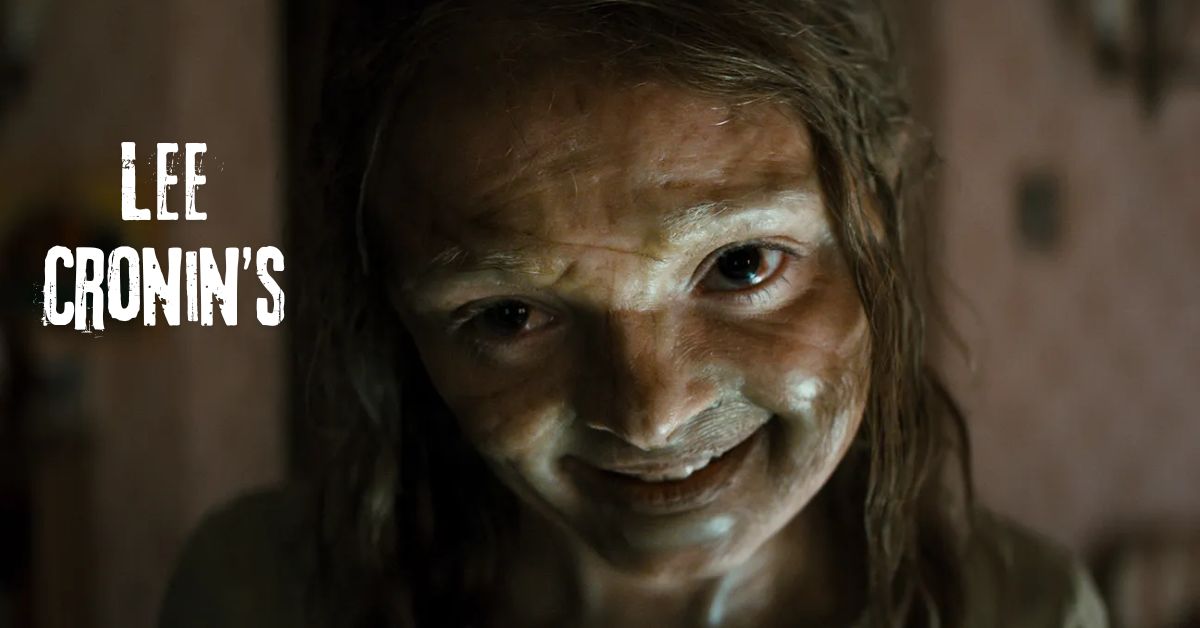
The plot is deceptively simple. A young girl, the daughter of a journalist, vanishes into the desert. No body is found. No explanation given. Her family falls apart over eight long years. Then, out of nowhere, she comes back. She's alive. But something is obviously wrong. The description calls this a "living nightmare," and that's exactly what the movie tries to deliver.
The central conflict isn't about stopping a monster from killing people. It's about a family trying to accept a child who's been gone for eight years and has clearly changed in ways they can't understand. Is she still their daughter? What happened to her out there? The film uses this mystery to explore guilt, hope, and the awful fear that sometimes the person you love the most is no longer the same person. It's a smart idea for a mummy movie, focusing on the emotional horror of losing someone and getting them back wrong.
I like that the story doesn't rush to explain things. It trusts you to feel the unease. The journalist parent angle gives the film a grounded entry point. We see the story through the eyes of someone who wants answers but might not be ready for the truth. The pacing is deliberate. Too deliberate for some, I bet. But for a horror film about a family curse, it works on an atmospheric level.
Performances and Direction
Based on early reactions, the cast reportedly carries the film's emotional weight. This isn't a movie where actors run from monsters. They have to show grief, denial, and quiet terror. The role of the returned daughter is reportedly the hardest. She has to feel innocent and deeply wrong at the same time. Sources suggest the young actress playing her gives a physically unsettling performance, which is the key to the film's success. The journalist father is also reportedly strong, playing a man torn between relief and dread.
Lee Cronin's direction appears to be the reason the film works as well as it does. He reportedly focuses on long, quiet takes and the empty spaces of the desert. He doesn't cut away from the uncomfortable moments. Some scenes reportedly hold on the daughter's face just a little too long, making you search for something wrong. That's good horror direction. He understands that the scariest thing isn't a monster jumping out, but the feeling that something's not right in a person you love.
Cinematography and Visuals
The desert is a character here. The cinematography reportedly uses vast, empty landscapes to make the characters look small and lost. The film contrasts the harsh, bright sunlight of the day with deep, cold shadows inside the family home. This contrast visually shows the split between the normal world and the horror that's invaded it. The color palette is reportedly muted, with lots of browns, tans, and pale skin tones. It makes everything look a little sickly.
For an R-rated horror film, the visuals are reportedly more about suggestion than gore. But when the film does show something disturbing, it's framed in a way that sticks with you. Think less of a monster reveal and more of a slow, wrong gesture or a look in someone's eyes. The direction and camera work together to create a sense of dread that's hard to shake.
Music and Sound Design
The sound design in Lee Cronin's The Mummy reportedly does a lot of the heavy lifting. The desert sounds aren't just wind and sand. They're layered with strange, low hums and distant noises that might be the wind or might be something else. The film apparently uses silence very effectively. Long stretches of quiet make the sudden sounds hit harder. The music, from what I've read, is minimal and mournful. It doesn't try to tell you when to be scared. It just adds to the sad, tense atmosphere.
This is a smart choice. A lot of horror movies overuse music to create fake tension. This one reportedly lets the silence and the sound of a house creaking or a character breathing do the work. The sound design seems to understand that the scariest thing is what you can't quite hear or identify. It makes you lean in, which is exactly where the film wants you.
What Works
The premise is genuinely strong. The idea of a missing child returning years later, changed in ways no one can explain, is terrifying on a primal level. It taps into every parent's worst fear and twists it. The movie commits to this idea fully. It doesn't cheat by making the daughter a clear monster right away. It keeps you guessing along with the family. That ambiguity is the film's biggest strength.
The atmosphere is thick and consistent. From the first scenes in the empty desert to the final act in the family home, the film maintains a low, uneasy hum of dread. It doesn't let up. Even the happy moments feel wrong because you're waiting for the other shoe to drop. The performances reportedly ground the horror in real emotion, which makes the scary parts hit harder. For viewers who want a horror film that thinks before it jumps, this works well.
What Doesn't Work
The pacing is going to lose a lot of people. At 2 hours and 14 minutes, this is a long horror movie. It takes its sweet time getting anywhere. For every creepy, effective scene, there's a stretch of slow family drama that feels like it belongs in a different movie. The 47 Metascore suggests critics found it too slow or too vague. I can see that. The film asks for a lot of patience, and the payoff might not satisfy everyone.
Some of the horror elements feel familiar. The "returned child" story has been done before, and this film doesn't reinvent the wheel. If you've seen other movies about people coming back from the dead wrong, some of the beats here will feel predictable. Also, the film reportedly leaves some questions unanswered in a way that feels more frustrating than mysterious. It wants to be ambiguous, but sometimes it just feels incomplete.
Key Highlights
- IMDb Rating: 6.2/10
- Metascore: 47/100
- Duration: 2 hours 14 minutes
- Certificate: R for disturbing content and some violence
- Genre and Tone: Psychological horror and family tragedy, slow and atmospheric
- Biggest USP: A missing child returns after 8 years, and the horror is in her being wrong, not in a traditional monster
- Target Audience: Horror fans who love slow-burn dread, sad family dramas, and stories about grief
Final Verdict / Should You Watch It?
Here's the honest truth. Lee Cronin's The Mummy is a good horror movie for the right person. If you like your horror slow, sad, and psychological, this will probably work for you. The premise is strong, the atmosphere is thick, and the performances reportedly sell the tragedy. It's a serious take on a classic monster, and I respect that.
But if you want a fun monster movie with action and scares every ten minutes, skip this. The pacing is too slow, the horror is too quiet, and the ending might leave you cold. The ratings tell the story. This is a divisive film that some will call brilliant and others will call boring. I land somewhere in the middle. I admire its ambition more than I loved watching it.
My recommendation? Wait for streaming. This is a movie best watched at home where you can control the lights and the distractions. If you're a horror fan who loves A24-style slow burns, watch it. If you want a