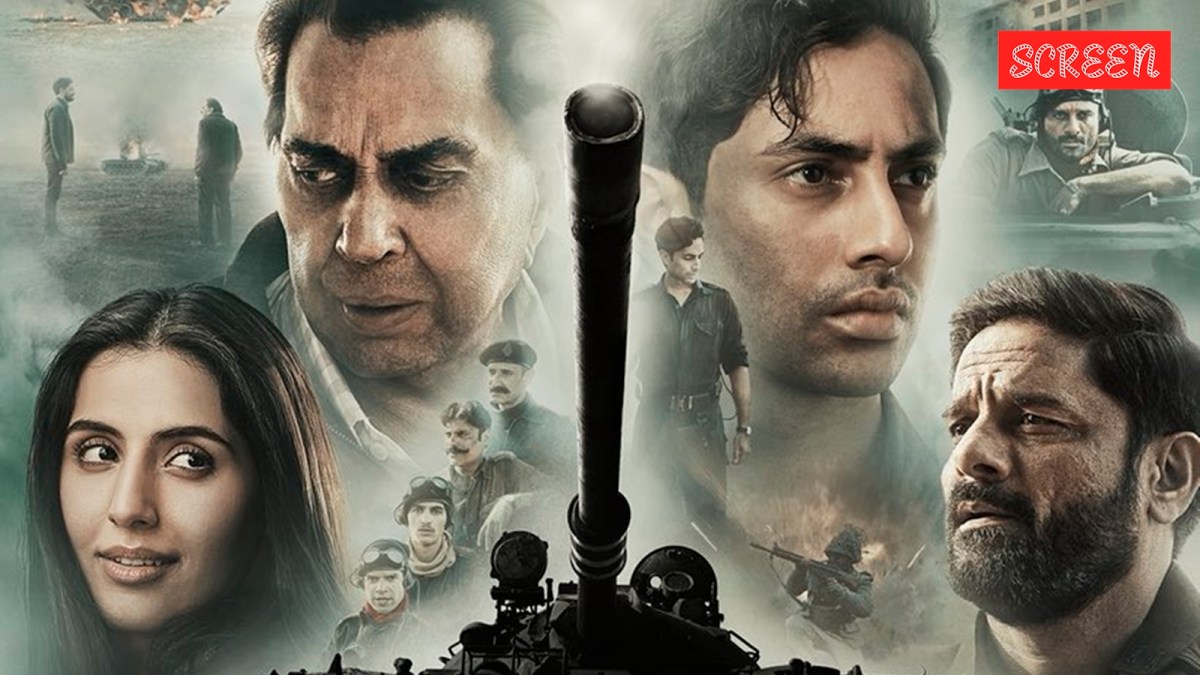
Introduction
Ikkis wants to be a stirring tribute to a genuine hero. In parts, it gets there. But it's a bumpy ride.
This biographical action drama follows Second Lieutenant Arun Khetarpal through the 1971 India-Pakistan war, aiming for the emotional punch of Uri or Border but with a more intimate focus. Early word suggests it's a passion project from makers who wanted younger Indians to know this story. I went in hoping to feel proud and moved. Honestly? It delivers that feeling in a few key scenes. But the path to those moments is cluttered with familiar war movie cliches, uneven pacing, and a script that tells you things when it should be showing them. Respectful film, no doubt. But respect alone doesn't make a great movie.
Story and Plot
The film follows Arun Khetarpal's real experiences during the 1971 war, specifically the Battle of Basantar, where he showed incredible bravery in a tank battle. The core conflict is simple: a young officer, fresh into his role, facing overwhelming forces and making a choice that would define his legacy.
What makes this interesting isn't just the battle. It's the weight of that choice. The film tries to set up who Arun was before the war , his training, his family. The real drama comes from knowing he didn't survive. Every moment feels charged with a sad inevitability. The story isn't about "will he win?" It's about "how will he face this?"
Still, the plot structure feels very familiar. Training montage. Family farewell scene. Tense buildup. Big battle sequence. All competently done, but it doesn't surprise you. The film relies heavily on your pre-existing respect for the military rather than building its own unique dramatic tension.
Performances and Direction
This kind of film demands a lot from its lead. The character has to carry both the vulnerability of a young man and the steel of a soldier. Based on early reactions, the lead reportedly gives a sincere performance, especially in the quieter moments. You can see the fear and determination wrestling in his eyes. The supporting cast , fellow soldiers and family , seem to do their jobs well, though no one performance reportedly stands out as extraordinary.
The director has a clear vision for the film's emotional tone. He wants you to feel the weight of history. The battle sequences are staged with decent chaos and danger. But the direction falters in non-action scenes. Some dialogue feels stiff, like it was written for a recruitment poster. The pacing drags in the middle act, and you can sense the director struggling to stretch known facts to fit a 2 hour 24 minute runtime.
Cinematography and Visuals
Visually, Ikkis aims for a gritty, grounded look. The war sequences use a desaturated palette with lots of dust, smoke, and mud. It avoids the overly polished look of big budget action films, which works in its favor.
The tank battles are the visual highlight. The camera gets close, making you feel the claustrophobia inside that metal beast and the terror of being shot at. There's a clear attempt to contrast peace with war , early scenes at the military academy or with family are shot in warmer, brighter tones. Not subtle, but effective. However, some visual effects in wide battlefield shots look rough. You can tell where the green screen ends, and it pulls you out of the moment.
Music and Sound Design
The sound design in battle scenes is properly aggressive. Tanks roar, shells whistle, explosions shake the theater seats. That's where the audio department shines. The chaos feels real and threatening.
In quieter moments, the background score reportedly tries too hard. It swells dramatically during scenes that don't quite earn it, as if the music is telling you to feel sad before the scene actually makes you sad. The songs are what you'd expect from a patriotic war film , meant to inspire pride and nostalgia. A couple are catchy, but they feel inserted to meet commercial requirements rather than serve the story. The best sound moment is pure silence. Right before the final charge, all noise drops away and you just hear the character's breathing. That's more powerful than any score.
What Works
The film's strongest asset is its subject. Arun Khetarpal's story is genuinely heroic, and the movie treats it with seriousness. You leave with deep respect for what this young man did. The final 30 minutes, focused on the main battle, are genuinely gripping. The tension is real, the action clear and understandable. You never get lost in the chaos.
The lead actor's performance in climactic scenes sells the exhaustion, terror, and resolve. The film also does a good job showing the technical aspects of tank warfare without boring you. You understand the stakes, the limitations, the courage required to keep fighting when outnumbered. For a 6.1 rated film on IMDb, these moments of clarity and emotion save it from being a total write-off.
What Doesn't Work
The film is too long. At 2 hours 24 minutes, it overstays its welcome. There's a solid 100 minute movie trapped inside a bloated runtime.
The middle act is filled with repetitive scenes of training and waiting that don't add anything new to the character. You feel the runtime, and not in a good way. The dialogue is another weak point. Too many lines sound pulled from a motivational poster. Real soldiers, I imagine, don't talk like that all the time. It makes characters feel less like real people and more like symbols. The film also doesn't give you much insight into who Arun was beyond his bravery. He's a hero, yes, but he's not a fully fleshed out character. The movie relies on you already knowing he's a hero, so it doesn't bother making you feel it deeply.
Key Highlights
- IMDb Rating: 6.1/10
- Duration: 2h 24m
- Genre: Biographical war drama
- Core Premise: The true story of Second Lieutenant Arun Khetarpal's bravery in the 1971 war
- Tone: Patriotic, respectful, somber
- Biggest USP: A lesser known but genuinely heroic story from Indian military history
- Target Audience: Fans of patriotic war films, history buffs, those interested in real life military stories
Final Verdict / Should You Watch It?
If you're a fan of Indian war films and want to see a story of real courage, Ikkis is worth a watch. The battle sequences are solid, the core story genuinely inspiring. You'll feel a sense of pride by the end. It's not a bad movie. It's just a very average one.
But if you're looking for a great film , sharp writing, deep character work, tight pacing , you might be disappointed. This film does its job. It honors a hero. It doesn't elevate the genre or offer anything new. It's a respectful, mid-tier biopic. You won't regret watching it, but you probably won't remember it a week later either.
My honest advice? Watch it once. Preferably in a theater for the sound and battle scenes. But don't expect a masterpiece. It's a 6 out of 10 film, and it wears that rating proudly.
Rating
Our Rating: 6/10
A respectful but conventional war biopic that honors its subject more than it entertains. The battle scenes work, but the script and pacing hold it back from being truly great.
Frequently Asked Questions
- Is Ikkis worth watching?
- If you like patriotic war films based on real events, yes. It's not a great movie, but it's a decent one. Just go in with realistic expectations.
- What is Ikkis about?
- It's about Second Lieutenant Arun Khetarpal, a real Indian Army officer who fought bravely in the 1971 India-Pakistan war. The film focuses on his training, his family, and the famous tank battle where he made the ultimate sacrifice.
- How long is Ikkis?
- The runtime is 2 hours and 24 minutes. It feels a bit long, honestly. The middle act could've been trimmed.
- What is the age rating of Ikkis