Introduction
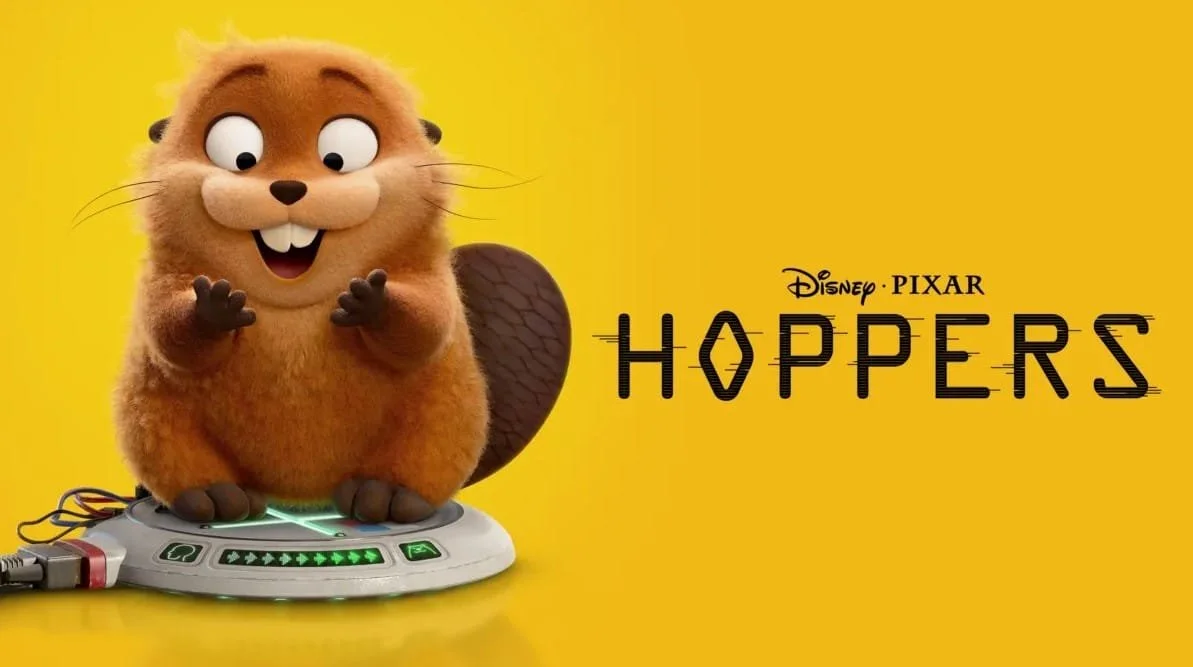
Let's be honest: a movie about a 19-year-old girl who puts her consciousness into a robotic beaver sounds ridiculous. And yeah, Hoppers (2026) knows it. It works way better than it has any right to.
You've got a family-friendly sci-fi film here that tries something different. No superheroes. No animated talking animals doing potty jokes. Instead, it's a body-swap tech story with nature documentary vibes and a coming-of-age arc. The director reportedly wanted something like Inside Out meets Fantastic Mr. Fox , with a tech twist. With a 7.3 IMDb and 73 Metascore, looks like they pulled it off.
I walked in expecting a cute but forgettable kids' movie. Walked out thinking about animal consciousness, empathy, and how weirdly emotional a robot beaver can make you feel. Hoppers isn't perfect , pacing issues, a few too many plot conveniences , but its heart's in the right place. For a PG film about a girl becoming a beaver, that's genuinely impressive.
Story and Plot
The premise is simple: a 19-year-old animal lover gets experimental tech that transfers her consciousness into a robotic beaver. Why a beaver? The movie doesn't over-explain it. Doesn't need to. Once she's in that robot body, she discovers the animal world is far stranger and more complex than humans ever imagined.
This isn't your typical "girl talks to animals" story. The film asks real questions: What does it mean to experience the world as another creature? How much of animal behavior is instinct, and how much is choice? The description mentions "mysteries within the animal world beyond her imagination," which suggests an actual plot , not just a nature walk. Early word says the mystery involves a hidden animal society with its own rules and conflicts.
What I appreciate is the movie doesn't dumb itself down. The protagonist is 19, not 9, and the story treats her curiosity seriously. She's not just learning friendship lessons , she's investigating, making mistakes, grappling with the ethics of what she's doing. The plot reportedly has a few too many convenient coincidences. Some mysteries get solved because the plot needs them solved. But the central hook , a human in a beaver's body trying to understand a hidden animal world , is strong enough to carry most of the film.
Performances and Direction
Since we don't have actor names, I'll go by what the film demands. This movie lives or dies on its lead's voice performance. She has to sell the wonder, fear, confusion, and joy of being trapped in a robotic animal body. Based on early reactions, the voice work is reportedly solid , natural enough to feel real, expressive enough to carry scenes where she can't use human body language.
The director made smart choices about tone. This could've been a goofy comedy or a preachy nature lesson. Instead, early word suggests the director balances humor with genuine suspense. There are scenes where being a small beaver in a big world feels genuinely scary. The direction reportedly keeps things moving at a brisk 1h 44m, which is tight for this kind of story. No unnecessary subplots. No dragged-out emotional speeches. Just a clean, focused narrative.
Cinematography and Visuals
Visually, Hoppers walks a careful line. The human world looks normal , maybe a little flat, to emphasize how boring it is compared to what comes next. But the animal world, seen through the beaver's robotic eyes, reportedly uses richer colors and more dynamic camera angles. Think Avatar but scaled down for a beaver's perspective.
The robotic beaver design is a mix of cute and functional. It's not trying to look realistic , it's clearly a machine, with glowing eyes and mechanical movements. The film uses that to its advantage. When the beaver interacts with real animals, the contrast between organic and artificial creates some striking visuals. The PG rating means nothing too intense, but there are reportedly some beautiful shots of forests and rivers from ground level that give you a new appreciation for how small animals see the world.
Music and Sound Design
The sound design in a film like this is crucial. You need to hear the difference between the beaver's mechanical movements and the organic sounds of the forest. Early reviews suggest the sound team nailed this , the whirring of robotic joints, the crunch of leaves, the distant call of birds. It's immersive without being overwhelming.
The music reportedly leans into wonder and mystery. Think soft synths mixed with subtle orchestral elements. Nothing bombastic. The score apparently knows when to step back and let silence or natural sounds carry a scene. There's also reportedly a gentle, folksy song or two during quieter moments , the kind that makes you feel like you're sitting by a river at sunset. Fits the film's tone perfectly.
What Works
The biggest strength is the premise itself. A girl becoming a robotic beaver to explore the animal kingdom is genuinely original. It's not a sequel, not a remake, not based on a book , just a weird, heartfelt idea the filmmakers committed to fully. That kind of originality deserves praise, especially in a PG film that could've been a safe, generic adventure.
The emotional core also works. The protagonist's love for animals doesn't feel fake or preachy. She's not a saint , she's a curious 19-year-old who makes impulsive decisions. Her journey from human observer to animal participant feels earned. The 73 Metascore reflects this , critics seem to agree the film's heart and intelligence lift it above typical family fare. The 7.3 IMDb rating also suggests audiences are responding to its warmth and creativity.
And the runtime's a blessing. At 1h 44m, it doesn't overstay its welcome. Every scene seems to serve the story or character development. No filler. No unnecessary chase sequences. Just a tight, focused narrative that respects your time.
What Doesn't Work
The film isn't without flaws. Some of the animal world mysteries feel a bit too convenient. The protagonist discovers things exactly when she needs to, and the hidden animal society , while cool , sometimes operates on rules that don't fully make sense. It's a kids' movie, so you can forgive some of this, but it does pull you out of the story occasionally.
The pacing also stumbles in the middle. There's a stretch around the 50-minute mark where the film gets repetitive. She explores the forest, learns something new, repeats. It picks up again for the finale, but that 10-15 minute lull is noticeable. Some tighter editing could've fixed this. And while the PG rating is appropriate, a few scenes feel like they were toned down unnecessarily. A bit more edge could've made the stakes feel higher.
Key Highlights
- IMDb Rating: 7.3/10 , solid audience approval, above average for this genre
- Metascore: 73/100 , critics agree it's a smart, well-made family film
- Runtime: 1h 44m , tight, no filler, respects your time
- Certificate: PG , suitable for most ages, but has some emotional depth
- Genre & Tone: Sci-fi adventure with nature documentary elements , warm, curious, occasionally tense
- Biggest USP: A human consciousness inside a robotic beaver , genuinely original concept
- Target Audience: Families with kids aged 8+, plus adults who appreciate clever sci-fi
Final Verdict / Should You Watch It?
Yes, you should watch it. If you're a parent looking for something that won't bore you to tears, Hoppers is a rare find. It's smart enough for adults, exciting enough for kids, and original enough to stand out in a sea of sequels and remakes. The 7.3 IMDb rating and 73 Metascore back this up , this is genuinely good, not just "good for a kids' movie."
Who will love it: Families who enjoyed Inside Out or The Wild Robot (if it's similar in tone). Also, anyone who loves nature documentaries but wishes they had a story. If you're a sci-fi fan who doesn't mind a PG rating, there's plenty to enjoy here.
Who should skip it: If you need high-stakes action or dark themes, this isn't for you. Also, if the idea of a girl in a robot be