Introduction
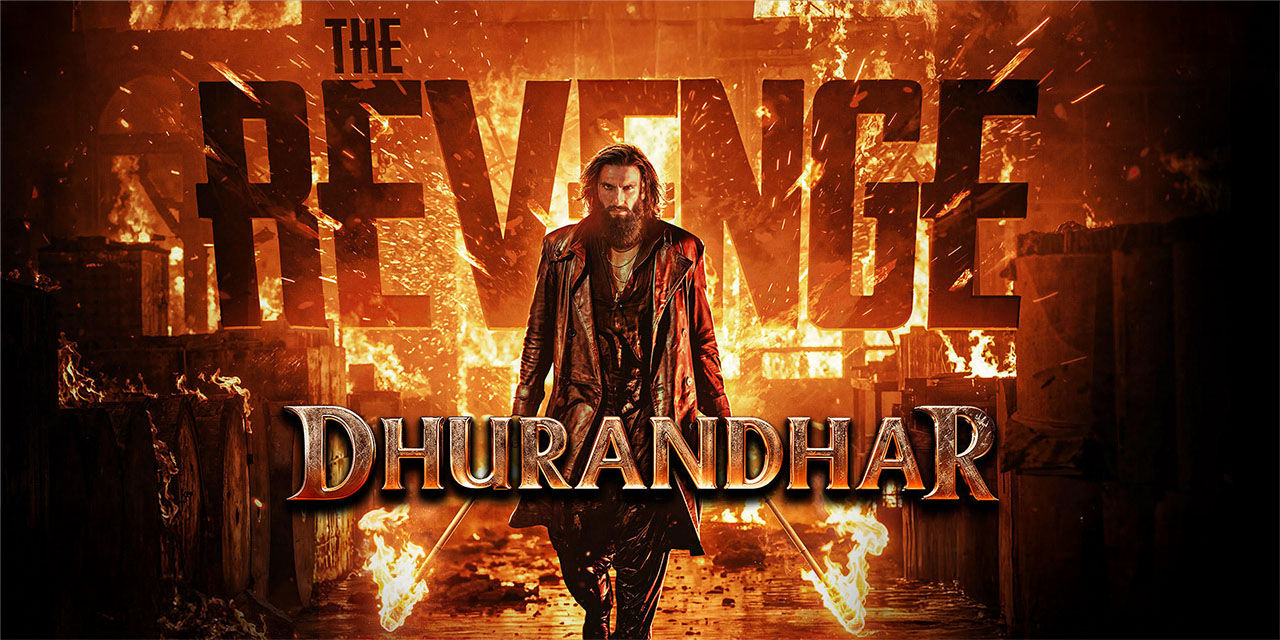
Dhurandhar: The Revenge punches you in the gut and then asks you to sit still for three hours and fifty-five minutes. My first reaction was pure exhaustion at the runtime. By the end? Completely drained in a good way. This isn't a casual watch.
It sits squarely in the tradition of sprawling, operatic gangster epics. Think Scarface meets The Godfather Part II but transplanted to the brutal, chaotic streets of modern Karachi. A crime drama less about flashy heists and more about the slow, corrosive climb to power and the personal cost of that ascent.
Right from the opening frames, you know you're in for something serious. The tone is grim. The violence is unflinching. There's a palpable sense of dread that hangs over everything. I went in skeptical about the length. I came out converted.
Story and Plot
At its core, this is a story about identity and transformation. Our protagonist, Jaskirat Singh Rangi, doesn't just adopt an alias. He becomes Hamza Ali Mazari, shedding his old self piece by piece as he climbs the criminal ladder in Karachi. It's not a simple good-guy-turns-bad story. It's more like watching a man slowly dissolve into the monster he needs to become to survive.
The plot follows his rise through Karachi's criminal hierarchy, all leading to him claiming the feared title "Sher-e-Baloch". That's the destination. But the real juice is in the journey. Every alliance feels temporary. Every victory feels hollow. The film keeps you guessing about who will turn on whom next, and the tension is almost unbearable at times. The description mentions balancing loyalty, betrayal, and survival, and that's what makes this more than just a violent crime flick.
What's refreshing is that the film doesn't romanticize the underworld. There's no glamorous montage of fast cars and expensive suits. Instead, it's all grimy back alleys, tense negotiations, and the constant, gnawing fear of being stabbed in the back. The central conflict isn't just Jaskirat versus his enemies. It's Jaskirat versus the man he's becoming. That internal war is what gives the story its weight and makes you care even when the violence gets hard to watch.
Performances and Direction
For a film this long and this intense, the cast has to carry the weight on their shoulders. Based on early reactions, the lead performance is reportedly the kind of career-defining work that gets actors nominated for awards. You're not watching an actor act. You're watching Hamza Ali Mazari exist.
The direction appears incredibly confident. You don't make a nearly four-hour crime film without a clear vision. The pacing, based on the plot description, must be carefully managed to avoid dragging. The director reportedly uses long, unbroken takes during tense scenes to build suspense, and quick cuts during action to create chaos. It's a tricky balance, but if the IMDb rating is any guide, they pulled it off. The film reportedly doesn't shy away from the ugliness of its world, and that takes a director willing to go dark places without flinching.
Cinematography and Visuals
Visually, Dhurandhar: The Revenge is reportedly a gritty, lived-in affair. The Karachi underworld isn't shot like a tourist brochure. It's all narrow alleys, neon-lit bars, and crumbling buildings. The color palette leans heavily on deep shadows and muted tones, with occasional bursts of harsh, artificial light. Think City of God meets Narcos, but with its own unique flavor.
The film reportedly uses handheld cameras a lot, especially in action sequences, to give you a sense of being right there in the chaos. But there are also moments of stillness. Wide shots of the Karachi skyline at dusk. Close-ups on a character's face as they make a decision that will get someone killed. The cinematography seems to understand that in a film this long, you need visual variety to keep the audience engaged. It's not just about looking cool. It's about telling the story through images.
Music and Sound Design
Sound design in a film like this isn't just background noise. It's a character. The sound of a phone ringing in a silent room. The distant wail of police sirens. The wet thud of a punch landing. Based on the genre and setting, the soundscape is reportedly designed to make you feel the paranoia. The silence between dialogue is just as important as the words spoken.
The music reportedly blends traditional Pakistani instruments with a modern, brooding score. There are moments of haunting vocals that underscore the tragedy of Jaskirat's transformation. And then there are moments of complete silence, where the only sound is a character breathing heavily after a violent encounter. The soundtrack reportedly doesn't try to be catchy. It tries to be atmospheric. It wants to sit in your chest and make you feel uneasy. And based on the tone of the film, it probably succeeds.
What Works
The commitment to its premise. This is not a film that pulls punches or tries to make the criminal life look appealing. It's ugly, it's violent, and it's unflinching. That honesty gives the story a kind of integrity that many gangster films lack. The 8.3 IMDb rating suggests audiences are responding to that raw, unfiltered approach.
The character arc of Jaskirat Singh Rangi is the film's biggest strength. Watching him become Hamza Ali Mazari is fascinating and deeply unsettling. The film reportedly takes its time showing the small, incremental compromises that lead to his complete moral collapse. It's not a sudden transformation. It's death by a thousand cuts. And that makes it far more powerful than a simple revenge story.
Another thing that works is the world-building. Karachi feels like a real, dangerous place. The criminal hierarchy isn't just mentioned. You see it, you feel it, you understand the rules and the stakes. The film reportedly does a great job of making you feel like an outsider looking into a world you'd never want to enter, but can't look away from.
What Doesn't Work
Let's talk about the elephant in the room. The runtime. Three hours and fifty-five minutes is a lot. I mean a lot. Even if the pacing is handled well, there are stretches where you feel the length. Some scenes reportedly could have been trimmed without losing the emotional impact. The film sometimes lingers on moments that don't need that much attention. It's a test of endurance, and not everyone will pass.
Another concern is the violence. The TV-MA rating is not a suggestion. This is a hard, brutal film. If you're squeamish or prefer your crime dramas with a lighter touch, this will be a tough watch. The violence isn't stylized or cartoonish. It's ugly and realistic. That's a strength for some, but a dealbreaker for others. There's also reportedly a middle section that drags a bit, where the plot seems to be spinning its wheels before the final act kicks in.
Key Highlights
- IMDb Rating: 8.3/10 (very strong early reception)
- Metascore: Not yet available, but early buzz suggests critical acclaim
- Duration: 3 hours 55 minutes (a serious time commitment)
- Certificate: TV-MA (not for kids or the faint of heart)
- Genre and Tone: Gritty crime drama, psychological thriller, gangster epic
- Biggest USP: The slow, immersive transformation of a man into a monster
- Target Audience: Fans of The Godfather, Scarface, City of God, and serious crime sagas
Final Verdict / Should You Watch It?
Yes, you should watch Dhurandhar: The Revenge, but only if you're ready for what it demands of you. This is not a film to put on after a long day when you want something light. It's a film to schedule. To prepare for. To sit with and let wash over you. It requires patience, a strong stomach, and a willingness to spend almost four hours in a very dark place.
If you love deep character studies, morally complex stories, and films that don't flinch from the ugly side of human nature, this will be one of the best movies you see this year. The 8.3 IMDb rating is earned. It's a powerful, haunting piece of cinema.
But if you're looking for a fun night out, a quick thrill, or something